Proč už nepodporujeme prohlížeč Internet Explorer

Prohlížeč Internet Explorer již nepodporujeme a také důrazně nedoporučujeme, protože dlouhodobě funguje bez zásadních aktualizací, vylepšení a podpory. Obsahuje řadu závažných bezpečnostních rizik, které mohou způsobit únik citlivých informací a vašich osobních dat. Nehledě k tomu, že prohlížení a práce s webovými stránkami je v něm pomalejší až o 50 % v porovnání s ostatními prohlížeči.


Které prohlížeče tedy používat a kde si je můžete stáhnout?

Změna prohlížeče je jednoduchá, nezabere vám moc času a my vám s ní pomůžeme. Nachystali jsme pro vás seznam doporučených prohlížečů.

Vyberte si prohlížeč a klikněte na jeho název. Otevře se vám stránka, na které si prohlížeč můžete bezpečně nainstalovat.

TIP: Klidně si můžete nainstalovat všechny a vyzkoušet si, jak se vám s nimi pracuje.

A nebojte se, že změnou přijdete o všechny záložky, historii a uložená hesla. Můžete si je totiž jednoduše přenést. Postup pro dva nejpoužívanější prohlížeče přidáváme.

Doporučené prohlížeče:

Mozilla Firefox je výkonný, stabilní a bezpečný prohlížeč. Záložky a další data si můžete přenést podle návodu zde.
https://www.mozilla.org/cs/firefox/
https://support.mozilla.org/cs/kb/import-zalozek-dalsich-dat-z-internet-exploreru-ne

Google Chrome je rychlý, jednoduchý a bezpečný prohlížeč. Podívejte se na návod, jak přenést záložky a ostatní informace do Google Chrome.
https://www.google.com/intl/cs_ALL/chrome/security/
https://support.google.com/chrome/answer/96816?hl=cs
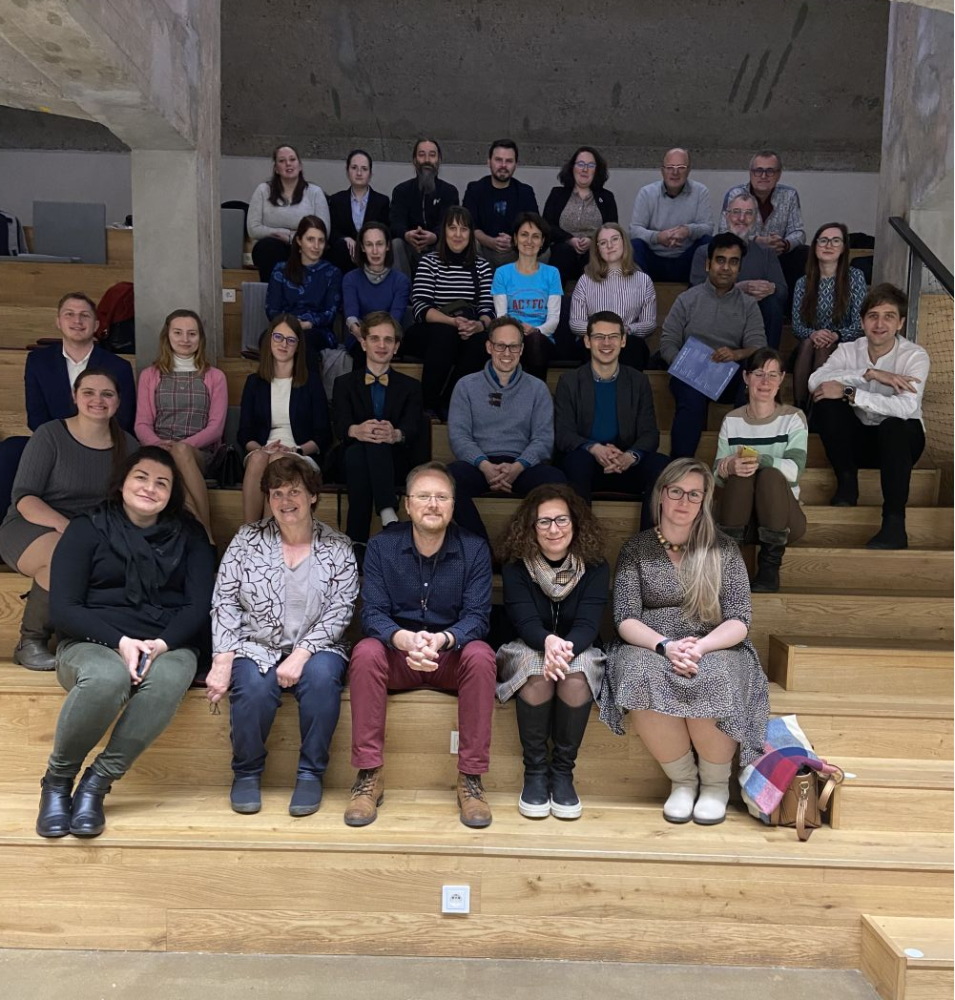
This year the 6th Catalytic seminar for PhD students was organized by UCT Prague on the 26th of January. The seminar is a great opportunity for PhD students to present their work and discuss current results with our catalytic society. The series of interesting talks started with a welcome note from our group leader David. Valeriia our final-year PhD student presented her interesting results on the hydrogenation of aldol condensation products over nickel catalysts. Her work was an extension of her research efforts on valorizing biomass-derived furanics, where she has been successful in furfural-acetone aldol condensation using hydrotalcite-based catalysts. Our second-year doctoral student Snehasis presented his evaluation of the reaction pathway of deoxygenation of anisole, in which he discussed the significance of process conditions in understanding the product distribution of hydrodeoxygenation reactions. The seminar also included talks from industrial specialists Olga Gonsiorová from Eurosupport s.r.o., and Michal Dudák from Anamet s.r.o. The sessions and seminar lunch allowed the team to meet and interact with researchers from other universities in the Czech Republic.